
Dealing with tooth pain, cavities, or visible damage can be distressing and affect your daily life. A tooth-colored composite filling is an excellent solution to restore your smile’s health and appearance. Composite fillings are designed to match the color of your teeth, seamlessly repairing cracks, fractures, decay, and cavities. Whether you need a filling for a front tooth or a molar, your tooth will look as natural as before the damage.
Book an appointment today and trust our skilled team to repair and restore your teeth using composite dental fillings. Our state-of-the-art techniques and compassionate care ensure that your dental experience is effective and comfortable.
What Are The Benefits Of Composite Fillings?
- Natural Appearance: Composite fillings match the color of your teeth, providing a seamless, natural look.
- Versatility: Used to repair various dental issues, including cavities, cracks, and gaps.
- Strength and Durability: Composite fillings bond to your tooth structure, providing added support and durability.
- Less Invasive: Requires less removal of your natural tooth structure than metal fillings.
- Quick and Easy: The procedure can usually be completed in one visit, restoring your smile quickly.
Is Dental Filling Right for You?
If you have cavities, minor tooth damage, or want to replace old metal fillings with a more natural-looking option, you may be a candidate for composite fillings. These fillings are suitable for patients of all ages and can address various dental issues, ensuring a healthy and attractive smile.
Reasons for Composite Fillings:
- Chipped teeth
- Closing space between two teeth
- Cracked or broken teeth
- To restore decayed teeth
- Worn teeth
Signs You May Need A Filling:
- Toothache or pain when biting down
- Sensitive to hot or cold
- Pain when eating or drinking
- Bad breath
- Visible holes, pits or black/brown discoloration
How Do Composite Fillings Work?
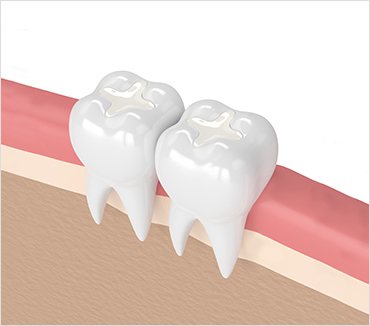 Composite fillings are popular for restoring damaged teeth due to their natural appearance and durability. The process begins with the dentist removing the decayed or damaged portion of the tooth. Once the area is thoroughly cleaned, the dentist will apply a special adhesive to the prepared cavity. This adhesive helps the composite resin bond effectively to the tooth structure, ensuring a secure and long-lasting repair.
In some cases, a temporary dental filling might be placed initially if there is a need for the tooth to heal before the final composite filling is applied. This is particularly common in deep cavities or complex filling tooth decay treatment processes.
After the adhesive is applied, the composite resin, which matches the color of your natural teeth, is carefully placed in layers. Each layer is hardened using a special curing light, ensuring the filling is strong and durable. Once the final layer is applied and cured, the dentist will shape and polish the filling to match the natural contours of your tooth. This process restores the tooth’s function and ensures a smooth, natural appearance that blends seamlessly with the rest of your smile.
What to Expect After Getting a Filling
After receiving a filling, the procedure generally follows these steps:
- Your dentist will examine your mouth and check the affected tooth for decay or damage. An X-ray may be taken to assess the extent of the decay.
- Local anesthetic is administered to numb the area around the tooth, ensuring you won’t feel any pain during the procedure. If the filling is minor, an anesthetic might not be necessary.
- Once the area is numb, your dentist will remove the decayed portion of the tooth using a dental drill. Alternatively, tools like lasers or air abrasion may be used.
- The dentist then cleans and prepares the cavity for the filling, ensuring it is free of debris or bacteria. The composite filling material is applied in layers, and each layer is cured using a special light.
- After the cavity is filled, your dentist will shape and polish the filling to match the natural contours of your tooth. They will check your bite to ensure the filling fits comfortably and make any necessary adjustments.
- Once the numbing wears off, you might experience some sensitivity to hot and cold, which should subside within a few days. Initially, avoid very hot or cold foods and drinks, and maintain good oral hygiene to ensure the longevity of your filling.
How Long Do Composite Fillings Last?
Amalgam Fillings:
Amalgam fillings are set weakly within the first hour and reach full strength in about 24 hours. To ensure durability and proper bonding, it’s best to avoid eating hard foods until the filling has completely set.
Composite Fillings:
Composite fillings are set quickly with a special blue light, curing each layer in about 2 to 20 seconds. This rapid setting allows for immediate resumption of normal activities, but avoiding hard foods for 24 hours is advisable to ensure complete bonding.
Post-Treatment Care and Maintenance
Proper care and maintenance are essential to prolong the life of your dental fillings and ensure overall oral health. By following these tips, you can help protect your fillings and keep your smile healthy:
- Practice Good Oral Hygiene: Brush twice daily with fluoride toothpaste, floss daily, and use an alcohol-free mouthwash to reduce bacteria.
- Limit Sugary and Sticky Snacks: These can contribute to decay around your fillings.
- Avoid Tobacco Products: Tobacco can stain teeth and increase the risk of gum disease.
- Limit Staining Foods and Drinks: Beverages like coffee, soda, juice, wine, and tea can stain your teeth. Rinse your mouth with water after consuming these items.
- Avoid Hard Foods and Chewing Ice: Biting down on hard objects can damage your fillings.
- Regular Dental Check-Ups: See your dentist once or twice a year for check-ups and cleanings to monitor the condition of your fillings and overall oral health.
- Use Fluoride Toothpaste: Regularly use fluoride to strengthen teeth and prevent decay
